
A Simple Family Snack Rotation: Protein, Fiber, and Color the Easy Way
Build a low-effort weekly snack rotation that balances protein, fiber, and color so families eat better without extra dishes or decision fatigue. Practical prep, packing, and shopping tips for busy caregivers in 2026.
Quick Answer
Build a low-effort weekly snack rotation that balances protein, fiber, and color so families eat better without extra dishes or decision fatigue. Practical prep, packing, and shopping tips for busy caregivers in 2026.
- Why a snack rotation beats ad hoc choices
- Build three short lists: protein, fiber, color
- Turn lists into a weekly, low-brain rotation
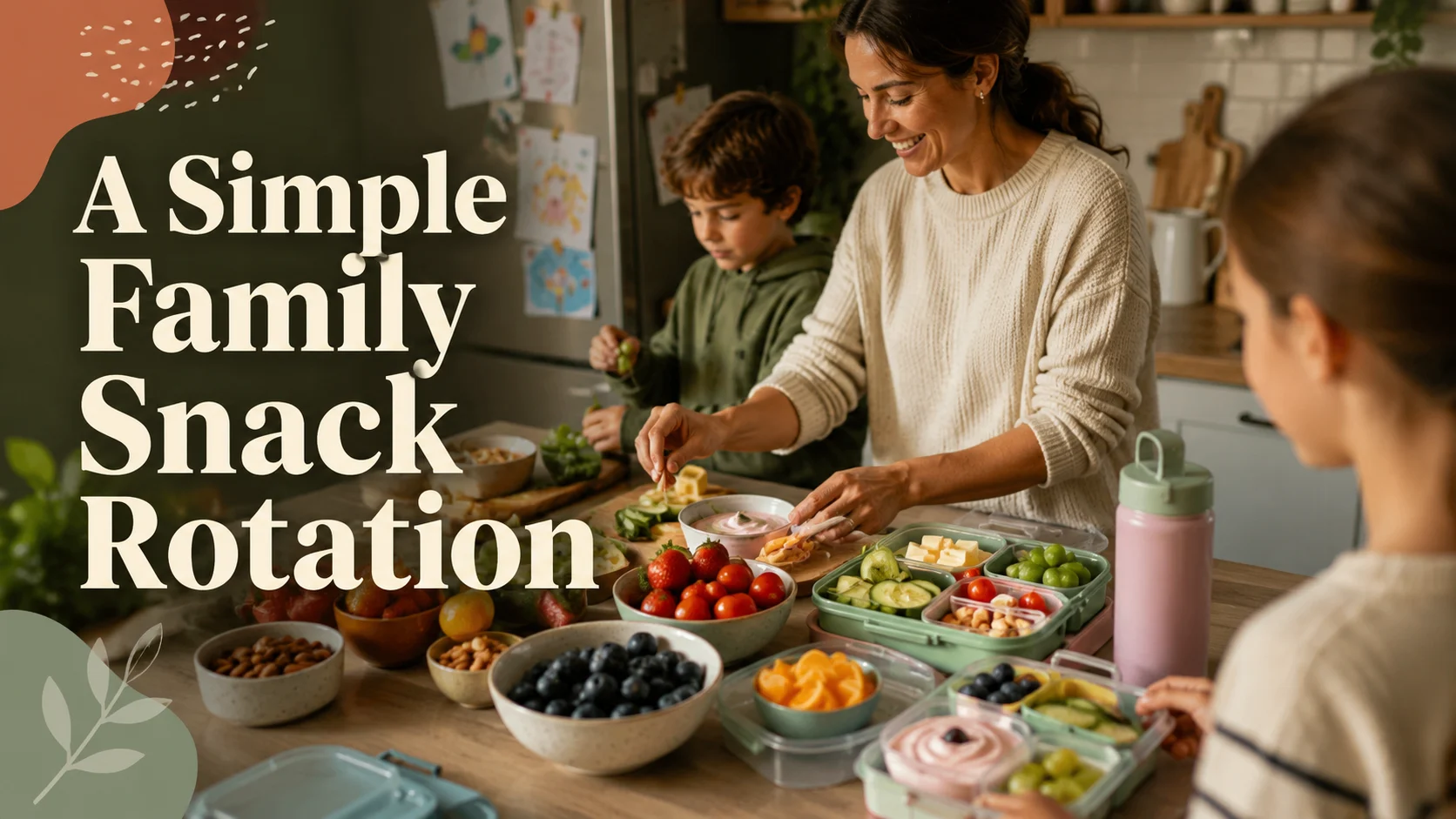
Why a snack rotation beats ad hoc choices
Decision fatigue hits families fast; a simple rotation reduces daily choices while keeping snacks balanced and interesting. When caregivers use a predictable plan, packing becomes a matter of habit rather than negotiation, which lowers stress before school runs, activities, and work commutes.
A short rotation helps you hit three practical nutrition priorities—protein, fiber, and color—without being prescriptive about portions or medical needs. Focusing on food groups rather than exact meals makes it easier to swap items based on preferences, cultural foods, or what’s on sale at the store.
Consistent rotation also cuts waste: rotating what you buy and prep keeps perishable items moving and reduces forgotten produce at the back of the fridge. With a weekly rhythm, leftovers find a place and fresh items get used promptly, which saves money and reduces last-minute fast-food runs.
Build three short lists: protein, fiber, color
Create three lists of 6–8 go-to items you enjoy for protein, fiber, and colorful produce; keep each list visible on the fridge or phone for quick choices. Protein examples include Greek yogurt, canned tuna, hard-boiled eggs, nut butter packets, roasted chickpeas, and leftover grilled chicken—all shelf-stable options or easy fridge grabs.
Fiber should focus on portable, low-mess choices: whole-grain crackers, air-popped popcorn, carrot sticks, apple slices, edamame, and dried fruit in small amounts. These give chew and satiety but are easy to portion into reusable containers or snack bags for school or the car.
Color is about appeal and micronutrient variety—fast picks are bell pepper strips, cherry tomatoes, blueberries, cucumber slices, mango cubes, and snap peas. Color items can double as fiber sources and are chosen for freshness and texture differences to keep snacks interesting across the week.
Turn lists into a weekly, low-brain rotation
Pick a simple pattern like 3x3: three protein options, three fiber options, and three color items rotated across weekdays in a repeating cycle. For example, Monday = yogurt + apple + peppers, Tuesday = hard-boiled egg + popcorn + berries, and so on; this creates familiarity for kids and reduces daily planning time.
Use a one-sheet snack rotation on the fridge or a shared family calendar app so all caregivers know the week’s pairings and can prep ahead. In 2026, many families use shared notes or a simple photo checklist to confirm what needs prepping and what’s already packed, avoiding duplicate work between partners or caregivers.
Allow two flexible slots per week as wildcards—swap in a seasonal farmer’s market find, a birthday treat, or something new the child wants to try. This keeps the rotation fresh and gives children small choices within a structured plan, building autonomy without overwhelming options.
Prep, pack, and shop with purpose
Prep once or twice a week to minimize nightly work: hard-boil a batch of eggs, portion nut butter into small containers, chop veggies and store them with paper towels to absorb moisture. Set aside 30–45 minutes on a designated day to portion snacks into reusable containers or zip bags so mornings are grab-and-go.
For packing, use a consistent set of containers: one small protein box, one fiber pouch, and one produce compartment; this visual routine helps kids recognize a complete snack and makes portion control simple for caregivers. Invest in stackable containers and a lunchbox with separations to keep foods from becoming soggy or mixed.
Shopping should follow the three-list logic: buy two or three items from each list per week based on shelf life and specials, and pick one new item to try each shopping trip. Keep a running sticky note or app list that records what worked and what was rejected so future shops favor family favorites and reduce wasted buys.
Adaptation, allergies, and real-life tweaks
If a child has food allergies, substitute safe alternatives that fit each list’s purpose—use seed butter instead of nuts, roasted lentils instead of chickpeas, or steamed sweet potato cubes for fiber. Communicate the rotation and any substitutions clearly with caregivers, teachers, and childcare providers to maintain consistency and safety.
Accept that some days won’t fit the plan: activities, travel, or illness change needs, so keep two emergency backup options in your pantry like whole-grain crackers and shelf-stable hummus or a jarred nut butter. These backups keep balance without requiring fresh produce and prevent defaulting to ultra-processed snacks.
Track wins and friction points monthly: note which combos disappear fastest, what gets repeatedly uneaten, and which packing methods leak or crush items. Small, data-free reviews let you refine the rotation so it remains genuinely useful for your household routines and tastes into late 2026 and beyond.
Hashtags
Related Articles
- More feeding nutrition articles
- Snack drawer systems that help busy families avoid chaotic grazing
- How to build a simple rotation of family snacks with protein, fiber
- The Snack Drawer That Keeps Grazing Calm: A Practical System for
- Lunchbox Rhythms for Busy Families: Keep Sundays Free and Lunches