
A Week-by-Week First-Trimester Notes System: Track Symptoms, Questi
A practical, week-by-week note-taking system for the first trimester that helps expecting parents capture symptoms, plan routines, and prepare questions for appointments without overcomplicating daily life.
Quick Answer
A practical, week-by-week note-taking system for the first trimester that helps expecting parents capture symptoms, plan routines, and prepare questions for appointments without overcomplicating daily life.
- Why a Weekly Notes System Helps in the First Trimester (Updated for 2026)
- Set Up: Tools and a Simple Template You’ll Actually Use
- Weekly Entries: What to Record and How Much Detail Matters
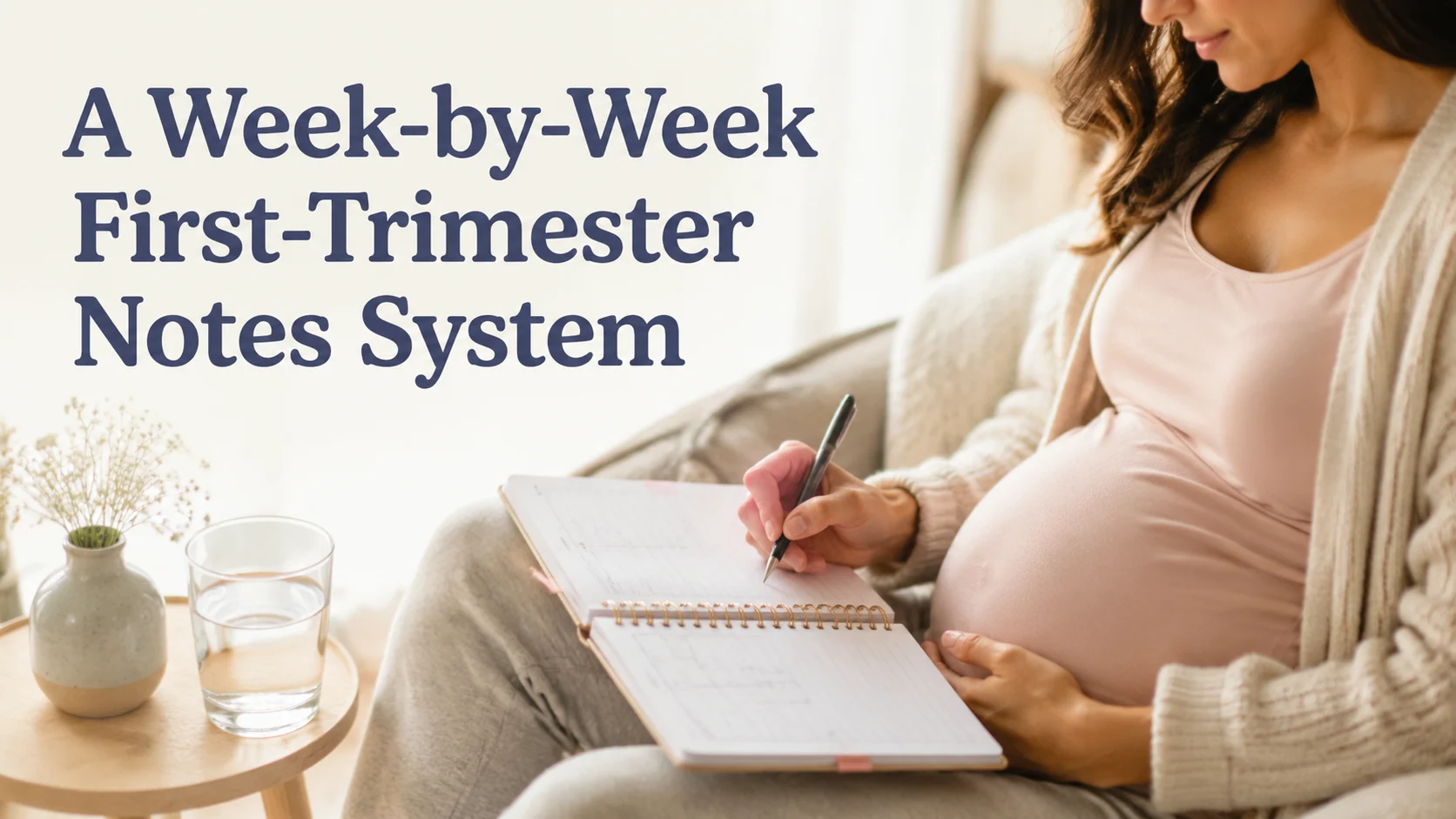
Why a Weekly Notes System Helps in the First Trimester (Updated for 2026)
The first trimester moves quickly and unpredictably; a weekly notes system turns scattered thoughts into a reliable record you can review before appointments and when symptoms shift.
As of 2026 many clinics encourage concise prep for visits; having one page per week keeps your questions focused and prevents repeat worries from crowding your memory.
This approach reduces decision fatigue by giving you predictable beats: record, reflect, act. That rhythm protects energy while keeping you prepared for check-ins and calls.
Set Up: Tools and a Simple Template You’ll Actually Use
Choose one tool you’ll stick with: a small notebook, a dated planner, or a single note in a phone app; consistency beats features so pick whatever you open without thinking.
Create a one-page template for each week with labeled sections: dates, sleep, appetite, key symptoms, mood/energy, routines tried, questions for provider, and quick actions.
Print or copy the template into your chosen tool for twelve weeks. Pre-fill week numbers and estimated dates so you can jot notes fast instead of composing structure every time.
Weekly Entries: What to Record and How Much Detail Matters
Start each week with a short headline line: one sentence capturing the overall theme such as 'low energy, steady nausea' to make later scanning simple and useful.
Record practical specifics: sleep hours range, what foods settled nausea, missed workouts, and any new supplements or over-the-counter products tried — note time, dose, and effect in general terms.
Write two to four bullet-point observations under symptoms and mood; avoid long essays. If something seems important, add a timestamp and one-line context so it’s clear why it mattered.
Turn Notes Into Routines: Small Habits That Come From Tracking
Use your weekly notes to choose one routine change to try the next week, such as a 10-minute gentle walk after lunch or a hydration bottle by your bedside to support consistent sips overnight.
Set micro-goals tied to observations: if mid-morning nausea is common, plan a small protein snack to try at that time daily and record the outcome. Repeatable trials are more useful than one-offs.
Keep a short 'what helped' list each week so you can copy successful tweaks forward. Over three weeks you’ll see patterns that inform sustainable habit changes rather than reactive solutions.
Prepare for Appointments: How Notes Improve Provider Conversations
Before visits, set aside five minutes to highlight the week summaries and pick the top three questions or concerns from your notes to bring to the appointment.
Bring copies or screenshots of symptom trends if relevant, such as sleep hours by week or consistent changes in appetite; concise data helps clinicians quickly understand your experience without relying on memory.
Use your questions section to ask about moderation and general guidance rather than treatment specifics; notes help you move from vague worry to clear, actionable topics at the visit.
Common Hiccups and How to Keep the System Working
If you miss a week, don’t restart with perfectionism; write a brief catch-up entry with one-line highlights and the date range so the record stays continuous without pressure to be flawless.
When energy is low, switch to voice notes or photo captures of quick lists for that week. Transcribe only what matters later; the goal is consistent recording, not polished prose.
Share the notes selectively: a partner or support person can read weekly headlines to help coordinate meals, rides, or practical help, while more detailed entries stay private unless you choose to share them.
Hashtags
Related Articles
- More pregnancy first trimester articles
- Practical First-Trimester Meal and Reminder System: Low-Planning
- First-Trimester Meals and Reminders: A Low-Planning System That
- A week-by-week first-trimester notes system for symptoms, questions
- First-trimester energy planning for workdays, errands, and quieter